Näytetään tekstit, joissa on tunniste yhteyskunta/ society. Näytä kaikki tekstit

26.4.2013

Des films

Sairaana sohvalla maatessani ehdin katsoa paljon leffoja. Tässä muutama vinkki niille, joita kiinnostavat ranskalaiset elokuvat.

When I was ill and lying on the couch I had the time to watch a lot of films. Here are a few tips for those who are interested in french movies.

La haine (1995)


La haine on nimensä mukaisesti elokuva, jossa on paljon vihaa. Se seuraa kolmen lähiönuoren elämää vajaan vuorokauden ajan. Lähiömellakoiden jälkimainingeissa poliisin ja lähiön asukkaiden välit ovat jännittyneet ja kolmikon kaveri sairaalassa. Elokuvalla on paljon sanottavaa yhteiskunnallisesta eriarvoisuudesta, mutta se kuvaa taitavasti myös kolmikon sisäisiä jännitteitä.

La haine is faithful to it's name: it's a movie that talks about hate. It follows the lives of three young men from the poor suburbs of Paris for one day. In the aftermath of the urban riots things are tense between the police and the people of the suburb and a friend of the three guys is hospitalized. The movie has a lot to say about inequality in the french society but it also has a fine way of describing the tensions between the group of friends.


Les intouchables (2011)


Tämä on sellainen hyvänmielenleffa, jossa on komediaa ja draamaa. Rikas halvaantunut mies saa avustajakseen lähiönuoren (ehkä jollain La hainen kavereista kävi tuuri?), jonka mutkaton lähestymistapa on jotakin ennennäkemätöntä. Kahden maailman törmätessä molempien elämä muuttuu. Olivier Nakachen ja Eric Toledanon ohjaama elokuva oli ehdolla kahdeksan César-palkinnon saajaksi ja Omar Sy ansaitsi roolistaan parhaan näyttelijän César-palkinnon.

This is a feel good movie that mixes comedy and drama. A rich paralyzed man gets a new personal assistant who happens to be a young man from the suburbs (the poor kind like the guys in La haine). The young man's unpretentious approach is something that no one has seen before. When two worlds meet, the lives of both of the men change. The movie directed by Olivier Nakache and Eric Toledano was nominated for eight César awards and Omar Sy got the Best Actor César for his role.

Le dîner de cons (1998)


Pierre Brochant osallistuu viikoittain ystäviensä kanssa illallisille, joille jokainen tuo mukanaan "idiootin", jonka kustannuksella pidetään hauskaa. Tällä kertaa miehen kutsuma lempeäluonteinen idiootti kuitenkin sotkee hänen elämänsä ja antaa hänelle opetuksen. Komedia vaikutti aluksi aika julmalta, mutta onneksi asetelma kääntyy ja katsoja pääsee nauramaan.

Pierre Brochant attends weekly dinners of with his friends where each is supposed to bring along an "idiot" so that they can make fun of him. Only this time the friendly "idiot" he invites messes up his life and teaches him a lesson. The comedy seems a little cruel in the beginning but tables turn quickly and you get to laugh freely.

Amour (2012)


Vaikka Amour ei olekaan kaikissa suhteissa ranskalainen elokuva, listaan nyt senkin tänne. Palkintoja kahminut elokuva kertoo vanhan pariskunnan rakkaudesta, joka kestää vaimon halvaantumisen ja vajoamisen lähes tiedottomaan tilaan. Elokuva on melko raskas ja hidas, mutta erittäin puhutteleva.

Even though Amour isn't entirely french, I'm going to add it to the list. The award-winning movie tells a story of the love of an old couple, a love that lasts through the stroke suffered by the wife and her sinking into a nearly unconscious state. The movie is quite slow and heavy but it conveys big ideas.

11.4.2013

Et ton enfance, c'était comment?

Eräs nuori ranskalaismies esitti minulle jokin aika sitten kysymyksen, johon en oikein osannut vastata. Millaista oli kasvaa Suomessa? Millainen lapsuus minulla oli? Yritän nyt hahmotella jonkinlaista vastausta. On hyvä kuitenkin huomioida, että kyseessä on vain tiettyyn aikaan ja paikkaan sijoittuva subjektiivinen kokemus.

A while ago, a young Frenchman asked me a question I couldn't really answer. What was it like to grow up in Finland? What was my childhood like? I'll try to come up with an answer here. But it's good to note that this is a subjective experience tied to a certain time and place.

Mummo, minä ja pikkusisko 90-luvun alussa. Grandma, me and my little sister in the early 90's.

Ympärillä oli aina metsää. Talvella rakennettiin lumiukkoja ja -linnoja, hiihdettiin ja kuunneltiin lauantaiaamun lastenohjelmia radiosta. Kesällä uitiin järvessä kunnes oltiin sinisiä, syötiin metsämansikoita ja lomailtiin mummolassa.

There was always forest around us. In the winter we built snowmen and snow castles, did cross country skiing and listened to the Saturday morning children's show on the radio. In the summer we swam in the lake until we turned blue, ate wild strawberries and spent holidays at my grandparents' farm. 


Tällaiset huopakengät ovat jääneet mieleen. Tosin niissä oli keltainen nauha valkoisen sijaan.

I remember felted shoes like this. But they had a yellow ribbon instead of white.


Suuren osan lapsuudestani vietin päiväkodissa. Siellä oli kivaa. Ranskassahan lapset menevät 3-vuotiaina "kouluun", en sitten tiedä miten erilaista siellä on kuin päiväkodissa. Päiväkodista muistan parhaiten sitä ympäröivän vihreän puuaidan, joka erotti meidät metsästä. Kerran löysin punaisia marjoja sen vierestä ja syötin niitä siskollenikin. Pian hysteeriset aikuiset olivatkin jo kiidättämässä meitä terveyskeskukseen ja meille syötettiin lääkehiilellä maustettua jäätelöä myrkytyksen estämiseksi.

A great part of my childhood was spent in kindergarten, which was great fun. In Finland kids don't go to school until they're 7, so until then it was just fun and games. One of my most vivid memories of the "päiväkoti" (literally traslates to "day home") is the green wooden fence which separated us from the forest. Once I found some red berries next to it and shared them with my sister. The next thing I knew, the hysterical adults took us to the nurse and fed us ice cream laced with carbon powder thinking we would die of some sort of poisoning.

Mun aapinen. My ABC book.

Sitten täytin seitsemän ja menin kouluun. Koulun takana oli pulkkamäki ja järvi, ei mikään kovin turvallinen ympäristö siis. Kerran hyppäsimme kaverin ja siskon kanssa samaan kelkkaan ja laskimme puuta päin, sisko teloi molemmat jalkansa ja käveli pitkään kepeillä. Ensimmäisenä vuonna opittiin lukemaan ja laskemaan, englannin opiskelu alkoi kun olimme yhdeksän ja ruotsi muutamaa vuotta myöhemmin. Muita mahdollisia kieliä olivat saksa ja ranska. Kokeilin saksaa, mutta lopulta päätin keskittyä ranskaan, joka oli paljon kiehtovampi vaihtoehto runolliselle teini-ikäiselle.

After my 7th birthday I went to school. Behind the school there was a lake and a sledding hill, not the safest environment for kids. Once me, a friend and my sister jumped into the same sled and crashed into a tree. My sister hurt both her ankles and had to walk with crutches for months. On first grade we learnt to read and do some basic maths. English started when we were nine and Swedish a few years later. We could also learn German and French. I started with German but in the end I chose to concentrate on French, which was a much more fascinating option for a poetic adolescent. 


Koulussa järjestettiin discoja, joissa soi usein raskaanpuoleinen musiikki. Näin jälkikäteen tuntuu kummalliselta, että kaksitoistavuotiaat tanssivat hitaita HIM:in "Join me in death"-kappaleen tahtiin: "This life/ ain't worth living.../ Would you die tonight for love? / Join me in death..." Ei ihme, että suomalaisista kasvaa melankolisia!

At school they organized "discos", parties where we ate candy and danced to songs that were often rock or metal. Now when I think about it, it's kind of weird that 12 year old kids dance to HIM's "Join me in death": "This life/ ain't worth living.../ Would you die tonight for love? / Join me in death..." Well, no wonder Finnish people grow up so melancholic!


Minusta tuntuu, että suomalaisnuorten elämä on tietyllä tavalla vähemmän suojeltua kuin monissa muissa maissa. Me matkustamme paljon ja itsenäistymme aikaisin. Itse muutin pois kotoa opintojen takia kuusitoistavuotiaana, enkä sen jälkeen juuri palannut pidemmäksi aikaa. Seitsemäntoistavuotiaana lähdin ensimmäistä kertaa kuukaudeksi Eurooppaa kiertämään saman ikäisen ystäväni kanssa. Nukuttiin rannalla Ranskan Rivieralla ja muuta jännittävää.

I feel like the adolescents in Finland are in a way less protected than in many other countries. They travel a lot and they start becoming independent early. I myself left home when I was 16 to go and study in a nearby city, and I've never really returned since. When I was seventeen I did my first one month tour of Europe with a friend of the same age. We slept on the beach in the French Riviera and so on.


Lapsuuteni päättyi lopullisesti pian virallisen täysi-ikäistymisen jälkeen, kun sain painaa tämän lakin päähän. Kun siirtyy lukiosta yliopistoon - tai kuten itseni ja monen muun suomalaisen kohdalla, ulkomailla tai töissä vietetyn välivuoden kautta yliopistoon - ihminen on aikuinen. Vanhempien ei tämän jälkeen enää odoteta osallistuvan merkittävissä määrin ihmisen toimeentuloon, vaan nuori aikuinen tukeutuu ennen kaikkea valtion tarjoamiin tukiin ja omaan työntekoon.

I would say my childhood ended for good soon after turning 18 when I got to put on this hat (the "ylioppilaslakki" which shows you've graduated high school and passed your "baccalauréat" exam). When you go to university - or as myself and many other Finns, when you take a cap year or two to travel or work and then go to university - you're an adult. After that, the parents are no more expected to significantly support you, but you will rather rely on the state's financial aid and your own work for your living.

22.2.2013

Sites Web

Elämä on kiireistä, edelleen. Viime viikonlopun matka Itä-Suomeen serkun häihin ei ainakaan helpottanut kiirettä, vaikka tilaisuus olikin ihanan kaunis ja kaiken sen matkustamisen arvoinen (Suomeen päin 12 tuntia matkustamista, Lilleen päin 13 tuntia matkustamista, kiitos bussi- ja junaongelmien). Kaiken lisäksi sain lentokoneessa flunssan, mikä lisäsi oman mausteensa tämän viikon esitelmiin.

Life is busy, still. Last weekend's travel to a cousin's wedding in the east of Finland didn't make things easier even though I must say the ceremony was beautiful and worth all the trouble (12 hours of travel to Finland, 13 hours travel back to Lille, thanks to bus and train problems). On top of everything I caught a cold on the plane which added an interesting twist to this weeks oral presentations.


Mutta nyt on perjantai-iltapäivä, ja minulla alkaa viikon loma! En ole vielä yhtään suunnitellut mitä teen, koska en ollut huomannut, että sellainen on tulossa. Joten kalenterissani on yhtäkkiä tyhjä sivu! Seitsemän päivää, joina voi tehdä ihan mitä huvittaa! Sen kunniaksi laitan tänne pari hauskaa ranskalaista nettisivua, jotka ovat piristäneet minua arjen keskellä.

But now it's a Friday afternoon and I'm looking at a week's holiday! I haven't had the time to make any plans yet because I didn't realize there's a holiday coming up. So all of a sudden, there's an empty page in my calendar! Seven days to do what the heck I feel like doing! To celebrate that, I'm sharing with you a couple of French websites that have brought amusement to my everyday work.


Disquettes de mec: 
http://disquettesdemec.tumblr.com/


Tämä tumblr-sivu tuottaa jokapäiväiset naurut. Niin tyypillistä! hihkun riemuissani lukiessani tätä sinkkuelämää ruotivaa blogia. Lisäksi koen, että vaikka giffit ovat suurimmaksi osaksi amerikkalaisista sarjoista ja elokuvista, toisinaan vitsit paljastavat paljon ranskalaisten miehiin, naisiin sekä näiden välisiin suhteisiin liittyvistä käsityksistä. Jotta tästä sivusta ymmärtäisi jotain, pitää hallita ranskan alkeet, mutta todellakin vain alkeet. Ainoastaan sivuston nimi on hieman vaikeasti avautuva: "Disquettes de mec" tarkoittaa naapurini mukaan sellaisia valheita, joita mies kertoo naiselle vietelläkseen hänet.

This tumblr-site gives me my daily dose of laughter. So typical! I scream while reading this blog that finds its inspiration from single life. Also, I feel like even though the gifs are mostly taken from american series and movies, sometimes the jokes reveal a lot about the way the French see men, women and their relationships. To be able to fully appreciate this site you should master the basics of the French language, but really only the basics. Only the name of the site is a little mysterious: according to my neighbour, "Disquettes de mec" refers to lies that a man tells to a woman to seduce her.


La Liberté de la Fesse
http://libertedelafesse.com/


Sciences Po Lillen opiskelijoiden taideprojekti, joka yhdistää ranskalaisen huumorin ja maailmanmatkailun. Tätä ei tarvitse sen kummemmin selitellä, kuvat puhuvat puolestaan.

This art project started by the students of Sciences Po Lille is a mixture of French humor and travelling the world. It needs no further explanation, the pictures will speak for themselves.


27.1.2013

"Oui" au mariage pour tous!

Kun kaksi parasta ystävääni Suomesta tulivat vierailulle Lilleen, he pääsivät heti ranskalaisuuden ytimeen eli mielenosoitukseen: viime lauantaina marssittiin tasa-arvoisen avioliittolain puolesta!

When two of my best friends from Finland came to visit Lille, they got to experience one of the corner stones of frenchness right away, that is, a demonstration: last Saturday we marched for marriage equality!


Hollanden sosialistihallitus on ajanut tasa-arvoista avioliittolakia, joka on parhaillaan parlamentin käsittelyssä. Debatti lain ympärillä on ollut kiihkeää. Pari viikkoa sitten Pariisissa järjestettiin lakia vastustava kansallinen mielenosoitus, joka onnistui mobilisoimaan jopa 300 000 ranskalaista (tosin poliisi ja mielenosoituksen järjestäjä kiistelevät luvusta). Tänään sunnuntaina pääkaupungin kadut valtaa puolestaan lain kannattajien mielenosoitus, jonne olin itsekin menossa ennen kuin flunssa pysäytti pienen suomalaisen. Tässä kuitenkin kuvia Lillessä järjestetystä mielenosoituksesta, joka ymmärtääkseni sai liikekannalle kolmisentuhatta kaupunkilaista.

The left wing government of Hollande has been moving forward with their gay marriage bill, which at the moment is being discussed at the parliament. The debate around the matter has been heated. A couple of weeks ago, a demonstration protesting against equality of rights managed to mobilize around 300 000 citizens in Paris (although the police and the organizers disagree on the number). This Sunday, it's the supporters of the bill who take to the streets of the capital, an event that I wanted to take part in myself until a flu stopped me. However, here are some photos from the demonstration in Lille last weekend. I understand that we were around 3000.


(c) Aino Hatakka

(c) Aino Hatakka

(c) Aino Hatakka

Lain vastustajien iskulauseena on ollut "un papa, une maman", eli "yksi isä, yksi äiti". Yllä olevan kuvan kylttiin on maalattu vasta-argumentti: "parempi äitipari kuin yksi paska isä". Vaikka Hollanden ajama laki koskeekin vain samaa sukupuolta olevien oikeutta mennä naimisiin, koskee se epäsuorasti myös adoptio-oikeutta, sillä kaksi ihmistä voi yhdessä adoptoida lapsen vain, jos he ovat naimisissa. Tämän vuoksi suuri osa keskustelusta onkin liittynyt adoptioon.

Those opposed to the law have taken up the slogan "un papa, une maman", "one dad, one mum". Pictured above, is a counter-argument: "better a pair of mums that one dad that's shit". Even though Hollande's bill is only about the right to marry, it indirectly opens the way to gay adoption, joint adoption being a right reserved to married couples. This is why most of the debate has been about adoption.


Entä miksi minä, suomalainen, halusin osallistua mielenosoitukseen, joka koskee Ranskan lainsäädäntöä? Ensinnäkin siksi, että kyseessä ovat homoseksuaalien ranskalaiskavereitteni oikeudet. Toiseksi siksi, että mitä useampi maa (ja etenkin mitä useampi Euroopan maa) hyväksyy samaa sukupuolta olevien parien avioliitot, sitä suurempi paine Suomellakin on siihen.

And why would I, a Finnish person, want to participate in a demonstration concerning the French legislation? Well first of all, it's about the rights of my homosexual French friends. Second of all, the more countries in the world (and especially in Europe) allow same-sex marriages, the more pressure there will be for Finland to do the same thing.


10.12.2012

Le blog post méchant

Näin joulun lähestyessä olen päättänyt huomioida Ranskan kansan hartaan toiveen ja kirjoittaa erittäin ilkeästi Ranskasta ja ranskalaisista. Olkaa hyvä!

As Christmas approaches, I have decided to make the greatest wish of the people of France come true and write a very nasty post about France and the French. Here you go!

Patongin pahoinpitely. / Violence against the baguette.

1. Ranska on teknologian kehitysmaa. Vanhemmillani, jotka asuvat Itä-Suomessa keskellä umpimetsää lumimyrskyjen ja karhujen armoilla, on parempi internet-yhteys kuin yliopistollani täällä Ranskassa. Nyt joulukuussa ranskalaisten opiskelijoiden piti ilmoittautua kursseille netissä. Kaikki meni pieleen ja rekisteröityminen aloitettiin uudelleen. Ja kaikki meni tietenkin uudelleen pieleen.
France is an under-developed country when it comes to technology. My parents who live in the east of Finland in the middle of dark, deep forest, surrounded by snow storms, wolves and bears, have better access to internet than my university here in France. Now in December the French students were meant to enroll into courses on the internet. Everything went wrong and they had to start all over again. Well, nothing worked the second time either.

2. Luulitko voivasi maksaa ruokaostoksesi pankkikortilla? Hahaa, turha toivo, jos summa jää alle kuuden euron. Käteistä tarvitaan aina ja kaikkialla. Etenkin kolikoita. Ehkä pankkiautomaatilla juokseminen on syy siihen, että ranskalaiset pysyvät hoikkina.
Did you think you could pay for your groceries with your Visa Electron? Haha, well you thought wrong if the total payment is under six euros. You need cash everywhere and always. Especially coins. Maybe running to the ATM is the reason why the French are so fit.

3. Palvelu on huonoa. Suomessa aina valitetaan, että meillä ei ole palvelukulttuuria. No, menepä kenkäostoksille Ranskassa ja odota lähes tyhjässä liikkeessä kymmenen minuuttia, ennen kuin onnistut saamaan myyjättären huomion.
The service is bad. In Finland they always say that we don't have a culture of service. Well, obviously those people never went shoe shopping in France and waited for 10 minutes in a half empty shop to get the attention of the personnel.

4. Eikö niitä koirankakkoja voi siivota kadulta? Seuraavan kerran, kun näen mummon kakattamassa chihuahuaansa meidän kadulla, niin huudan sille, että "ramasse la merde vieille salope!"
Can't they clean up the dog poop from the streets? The next time I see a granny letting her dog shit on my street I'll shout: "ramasse la merde vieille salope!"

Kuristan patonkia. / Strangling the baguette.

5. Ranskalaiset ovat ilkeitä. Kun joku lähtee pois illanvietosta, alkaa armoton parjaus. Ihmisten vikoja ei koskaan katsota läpi sormien, vaan niillä herkutellaan. Myös ranskalainen huumori perustuu ilkeilyyn. Siinä, missä Suomessa vitsaillaan ilkeästi omasta itsestä, täällä vitsaillaan ilkeästi toisista. Joskus se ei naurata.
The French are mean. When a person leaves a room, the mockery begins. Your faults are never ignored, but rather they are a source of entertainment. The French humor is mean as well. Whereas in Finland we make mean jokes about ourselves, here they make mean jokes about others. I don't always find it very funny or appropriate.

6. Ranskalaiset ovat pinnallisia. Suurin osa keskustelusta on pelkkää vitsailua. Tai sitten puhutaan seksistä. Ei vakavasti, vaan vitsaillen. Sellaiset aiheet kuten politiikka, kulttuuri, yhteiskunta, filosofia, tai se mitä ihmiselle oikeasti kuuluu, ovat kiellettyjä.
The French are very superficial. Most of the conversation is just jokes. Or maybe they talk about sex. But even then they are just joking. Subjects like politics, culture, society, philosophy, or what's really going on in a person's life are forbidden.

7. Ranskalaiset suntautuvat pukeutumiseen liian vakavasti. Vaikka kaiken muun voi lyödä leikiksi, asukokonaisuuksien valinnassa ja kampaajalla käydessä on oltava kieli keskellä suuta ja noudatettava tiukan linjan konservatiivisia sääntöjä. Metrossa ei juurikaan näe lenkkareita. Vaatteiden väriskaala ulottuu mustan ja harmaan kautta tummansiniseen. Erään ystäväni tukka kasvoi siten, että se alkoi muistuttaa hieman keesiä. Muut nauroivat hänelle. Hän alkoi käyttää pipoa. Jopa kämppikseni, hyvin rempseä tyyppi, on konservatiivinen tässä mielessä. Kerran ulosmennessämme hän kommentoi asuani: "Tennarit ja mekko? C'est intéressant!"
Looks are everything for the French. Even if everything else is a joke, choosing what to wear or how to do your hair is subject to serious consideration and strictly conservative rules. You don't really see trainers in the metro. The colors of the clothes range from black to gray to dark blue. One of my friends had hair that grew to look like a mohawk. The others made fun of it. She started to wear a hat. Even my flatmate, who is a bit of a rebel herself, is very conservative when it comes to looks. Once we were going out and she commented on my outfit: "Sneakers with a dress? C'est intéressant!"

8. Talot ovat liian kylmiä, ruoka on epäterveellistä, byrokratia on käsittämätöntä... Hei ranskalaiset, ennen huuto- ja kysymysmerkkiä ei tule välilyöntiä! Oletteko koskaan kuulleet asiasta nimeltä jono? Perjantaisen Gala-juhlan kaaoksen kokeneena en usko, että olette...
The houses are cold, the food is unhealthy, the bureaucracy is incredible... Hey French people, you should stop using space before exclamation mark, it's just ridiculous! And have you ever heard of a thing called a queue? Having witnessed the Gala chaos last Friday I don't think so...

Patonkia nipistetään. / Pinching the baguette.

No niin, olinkohan tarpeeksi ilkeä? Hei ranskikset, älkää itkekö, koska kyllähän mä teistä silti välitän! Hyvää adventinaikaa kaikille!

So was I mean enough? Hey, don't cry, je vous aime malgré tout! Happy advent to everyone!

2.12.2012

La musique française, partie 2

Koska alkavalla viikolla juhlitaan Suomen itsenäisyyspäivää, ollaan eräässä Lillen asunnossa patrioottisissa tunnelmissa. Mutta se ei tietenkään tarkoita Maamme-laulun tykittämistä jatkuvalla toistolla: myös Marseljeesi käy!

Because this starting week Finland will be celebrating it's independence day, a certain blogger in Lille is in a patriotic mood. But that doesn't necessarily mean playing the Finnish national anthem on repeat: also Marseillaise goes!


Siinä missä Maamme keskittyy isänmaan kauneuden ylistämiseen, on Marseljeesi lähinnä verinen. Se on alunperin Rouget de Lislen säveltämä Reinin armeijan taistelulaulu, ja siitä tuli suosittu suuren vallankumouksen aikoihin. Sittemmin valtiomuotojen ja hallitsijoiden vaihtuessa se on välillä ollut kielletty vallankumouksellisuutensa takia, mutta kolmas tasavalta omaksui sen kansallishymnikseen, eivätkä neljäs ja viides (nykyinen) tasavalta lähteneet sitä vaihtamaan. Veriset liput liehuvat ja kansalaiset (Nicolas Sarkozy mukaan lukien) tarttuvat siis aseisiin tyranniaa vastaan vielä 2000-luvun rugby-ottelussakin...

Whereas the Finnish national anthem concentrates on describing the beauty of the country, the Marseillaise is just bloody. Originally composed by Rouget de Lisle for the battle song of the Rhine army, it became popular during the great French revolution. Later, it has been banned by some regimes due to its revolutionary spirit,. However, the third republic made it the national anthem, and it has kept that position through the 4th and the 5th (the present) republic. So it's all about blood-soaked standards and the citizens (Nicolas Sarkozy included)  taking up arms against the tyranny even in a rugby match in the 2000s...


...paitsi tässä Serge Gainsbourgin versiossa, jossa suurin osa kertosäkeestä on kuitattu: "et cetera".

... except that in this version by Serge Gainsbourg, where most of the refrain is summarized: "et cetera".


"Les corons" on Pierre Bacheletin kappale, josta on tullut jonkinlainen kansallishymni Lillen alueen asukkaille. "Les corons" viittaa perinteisiin pohjoisen työläisasumuksiin. Bacheletin kappaleessa maa on hiilenmusta, sade kastelee kaiken, isä on töissä kaivoksessa ja äidin hiuksen harmaantuvat ennen aikojaan. Erittäin iloista meininkiä siis! Mutta jostain syystä tämä on yksi niistä biiseistä, jotka bileissä pärähtävät soimaan aamukahdelta, ja johon humalainen kuoro yhtyy: "Aaauuu noooord, c'était leees corooons...."

"Les corons", composed by Pierre Bachelet, seems to have become some sort of anthem in the region of Lille. "Les corons" are traditional worker's houses in the north of France. In this song the ground is coal black, the rain makes everything wet, dad works in the mines and mum's hair goes gray before it's supposed to. A happy tune it is! But for some reason this is one of those songs that start playing in a party at 2 a.m. and that drunken voices sing along: " Aaauuu noooord, c'était leees corooons...."

12.11.2012

Sciences Po

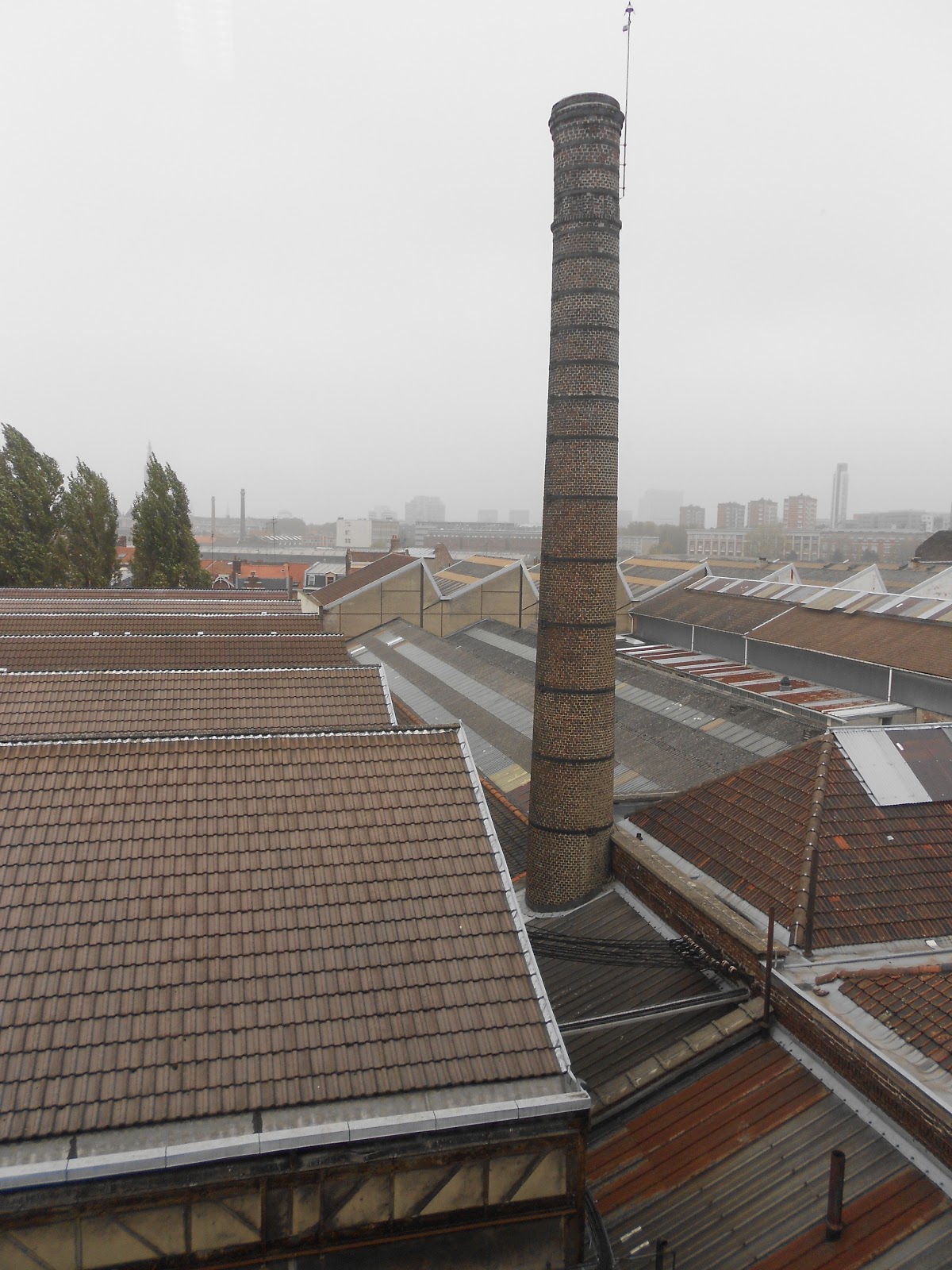
Punaisen kyltin alla on yliopistoni, Sciences Po:n tai lyhyemmin IEP:n (Institut des Etudes Politiques), pääsisäänkäynti.

Under the red sign, there's the main entrance of my university, Sciences Po aka IEP (Institut des Etudes Politiques).


Kuten kuvasta näkyy, kyseessä on vanha tehdas. Monet ranskalaiset opiskelijatoverini ja professorini valittelevat tilojen huonoa kuntoa, mutta minusta paikka on kodikas: punatiiliset seinät ja isot ikkunat muituttavat minua toisesta opiskelukaupungistani, Tampereesta.

As you can see, it is an old factory. Many of my french fellow students and professors complain about the bad condition of the building, but I think it's cozy: it reminds me of the other city I study in, Tampere.


Kaupunginosa, jossa IEP sijaitsee, ei ole siitä siloisimmasta päästä. Alunperin tekstiiliteollisuutta ja tehtaiden työntekijöiden asuttamista varten rakennettu Moulins (vrt. Tampere ja Finlayson) on nykyisin täynnä hämärää porukkaa. Wikipedian mukaan Moulinsin työttömyysposentti on jopa 30. IEP:n lähimmällä metroasemalla, Porte de Valenciennella voi törmätä keskellä kirkasta päivää ranteeseen piikittävään narkomaaniin. Jotenkin iloitsen siitä, että tämä hieman snobi instituutti ei sijaitse hienostokaupunginosassa, vaan että Ranskan tuleva eliitti saa edes koulumatkalla nähdä, millaista elämä todella on.

The neighborhood where IEP is situated is kind of rough. Moulins, originally built for textile industry and for the housing of the workers (like Finlayson, the most famous factory in Tampere), is today full of weird people. According to Wikipedia, the unemployment rate of Moulins is around 30%. At Porte de Valenciennes, the metro station closest to IEP, you can see a junkie shooting up heroin during lunch hour. Somehow I feel good about the fact that this slightly elitistic institut isn't situated in a cleaner part of town: this way the future elite of France gets to see what life can really be like, even if it's just on their way to school.


Luennot ovat olleet mielenkiintoisia, vaikka pisimpinä päivinä ranskankielisen opetuksen seuraaminen välillä väsyttääkin. Koska olen kiinnostunut Saharan eteläpuolisen Afrikan politiikasta, oli viisas valinta lähteä Ranskaan vaihtoon - maan kolonialistinen historia takaa, että täältä löytyy asiantuntemusta etenkin ranskankielisen Afrikan osalta. Olen muutenkin ollut tyytyväinen Sciences Po:hon. Kanssaopiskelijat ovat mukavia ja avuliaita, enkä ole vielä kohdannut kovinkaan monta tyyppiä, joille olisi mennyt päähän se, että vanhemmilla on rahaa ja että he opiskelevat yhdessä Ranskan arvostetuimmista korkeakouluista (ks. Grandes écoles). Elitistisyydestä viestii lähinnä välillä ohi vilahtava Burberryn huivi tai... no, joskus voi tulla yllätyksenä, että kaveri asuu upeasti koristellussa seitsemänkymmenen neliön kämpässä yhdellä Lillen komeimmista bulevardeista - yksin.

The lectures are mostly interesting even though sometimes following teaching in French can be tiring after a long day. Since I'm interested in the politics of Sub-Saharan Africa, it was a wise decision to come to France for my exchange year - because of the their colonial history, they have a lot of expertise in especially the French speaking part of Africa. Also the students in Sciences Po are nice and helpful and I haven't really met people who would have been too full of themselves because their parents have money or because they go to one of the most appreciated schools in France (see Grandes écoles). The elitism can only be perceived in the occasional Burberry scarf that you pass in the corridor or... well, sometimes you can be surprised by the fact that a friend lives in a beautifully decorated 70 square meter apartment on one of the finest boulevards of Lille - all by herself.

19.10.2012

Ces angry birds

Avasin tänään Le Monden, ja kukas siinä kakkossivulla pällistelikään, Timppa Soinihan se siinä!

Today I opened Le Monde, and who did I find on page two? It was our good friend Timo Soini!


Soinin näkeminen lämmittää harvoin yhtä paljon, kuin nyt, kun olen kaukana Suomesta. Kun artikkelissa kehuttiin Soinin olevan oikein mukava mies, nyökyttelin päätäni hyväksyvästi. Olen huomannut saman ilmiön aikaisemminkin ulkomailla oleskellessani: sitä innostuu, kun löytää näkkileipäpaketin kaupasta (vaikken edes ikinä syö näkkileipää), alkaa leipoa pullaa (jota on viimeksi leiponut yläasteen kotitaloustunnilla) ja herkistyy kyyneliin, kun luennoitsija mainitsee pohjoismaat. Ulkomailla olen suomalaisimmillani!

Seeing Soini, leader of the populist right-wing party of Finland, has never made me this happy. I guess it's because I'm far away from Finland. When the journalist wrote that Soini is a very nice guy, I nodded my head in accord. I've noticed the same phenomenon before: when I'm abroad, I get excited when I find a packet of Finnish crispbread in the supermarket (even though I never even eat it), I start baking sweet buns (which I never do) and I'm moved to tears when a professor mentions the nordic countries. When I'm abroad, I'm more Finnish than ever!

Sisko lähetti salmiakkia ja vaalilärpäkkeen.  My sister sent me some finnish candy and a paper that says that I'm allowed to vote in the upcoming municipal elections.

Ai niin, artikkelissa puhuttiin siitä, kuinka hankalaksi Suomi on heittäytynyt EU:n talouskriisin hoidossa. Siinä yritettiin selittää sitä, miten suomalaiset ajattelevat (onnea vaan yritykseen). Artikkelin otsikko oli: "Suomalaiset, angry birdsit, jotka eivät halua tulla kynityiksi." Pitäisikö vihdoinkin ottaa selvää siitä, mitä ne angry birdsit ovat?

Oh yeah, the article was about how Finland has been making trouble in the negotiations about how to solve the European financial crises. They tried to explain how Finnish people think (good luck with that). The title of the article was "The Finnish, the angry birds who don't want to be plucked." Should I finally try and find out what is Angry Birds?

1.10.2012

Parlez-vous français?

Ranskassa puhutaan ranskaa. Minäkin puhun sitä. Mutta pikkuhiljaa alan huomata, ettei se ole ihan niin yksinkertaista. Kun puhun suomea, puhun suurin piirtein samalla tavalla kaupan kassalle, kavereille ja professoreille. Ranskassa taas täytyy osata valita eri puhetapa eri tilanteisiin.

In France they speak French. I speak it too. But I'm starting to realize that it is not quite so simple. When I speak Finnish, I speak the same way to the shop assistant, to my friends and to the professors.  In France, on the other hand, I have to be able to choose a different way of speaking for different situations.

Sciences Po Lillessä jaetaan Le Mondea ilmaiseksi, koska Le Monden pomo on myös Sciences Po Lillen pomo.

Tänään joku soitti ovikelloa. Menin ikkunaan ja siellä oli eräissä bileissä tapaamani tyttö. Hän selitti, että pyrki sisälle, koska siellä oli "une nana", jota hän oli tullut tapaamaan. Olin oppinut jo jonkin aikaa sitten, että sana tyttö, "fille" korvataan nuorison keskuudessa usein sanalla "nana". Nainen, "femme" sen sijaan korvataan verlan-slangin mukaisesti sanalla "meuf". "Meuf" voi olla "ouf" eli "fou" toisinpäin, mikä jostain syystä tarkoittaa, että hän on hyvännäköinen, ei hullu. Myös kurssi voi olla "ouf", mikä ei tarkoita, että professori olisi hyvännäköinen tai hullu, vaan että kurssi on mielenkiintoinen.

Today someone rang the doorbell. I went to the window and there was a girl I had met in a party. She explained that she wanted to get in because there was "une nana" that she had come to see. Fortunately I had already learned that the word girl, "fille" is amongst young people often replaced by the word "nana". Woman, "femme" gives way to the verlan-argot expression "meuf". A "meuf" can be "ouf", i.e. "fou" in reverse, which for some reason means that she is good looking, not that she is crazy. Also a lecture can be "ouf", but that has nothing to do with the prefessor's looks but rather expresses how interesting the lecture was.


Roubaixissa, Lillen suurkaupunkialueella asuva saksalainen heitti hyvin polittisesti epäkorrektin vitsin etusivun Malin kapinallisia esittävästä kuvasta. Se liittyi Roubaixin etniseen kirjoon ja levottomaan maineeseen. Jostakin syystä se kaikessa mauttomuudessaan nauratti kahdeksalta alkaneen aamuluennon päätteeksi.

Sitten kun vielä muistaisi, ettei tätä samaa kieltä voi puhua kaikille! Professoreita tietysti teititellään, ja se sujuukin jo aika hyvin. Kaiken lisäksi he ovat tottuneet vaihto-opiskelijoihin, joten eivät ällisty kielellisistä tyylimokistani. Mutta minulla on myös vuokraemäntä! Noin seitsemänkymppinen nainen, joka omistaa pari kerrostaloa ja hymyilee suloisesti harmaa nuttura päässään. Pelkään sitä päivää, jona laukaisen madame B:lle jonkin kämppikseltä oppimani vulgaarin lauseen, ja tajuan etikettivirheen vasta, kun hänen hymyhuulensa jähmettyvät. Onneksi suurin osa käymistämme keskusteluista on aika yksinkertaisia. Ne menevät näin:

Minä: "Bonjour madame!"
Mme B.: "Bonjour S-R! Ça va?"
Minä: "Ça va. Et vous?"
Mme B.: "Ça va bien merci. Avez-vous reçu la lettre que j'ai mise dans votre boite à lettres?"
Minä: "Oui, merci beaucoup!"
Mme B: "D'accord S-R. Bien. Je continue. Passez une bonne journée!"
Minä: "Merci, vous aussi! Au revoir!"
Mme B.: "Au revoir!"

Ihan kuin kirjasta, jonka nimi on "Ranskaa aloittelijoille 1".

But then I wish I'd remember to "change language" when it's time! Of course I remember to "vouvoyer" the professors and they actually seem to be used to us exchange students and the errors we make when it comes to the delicate art of the french language. But I also have a landlord! A 70-year old lady who owns a couple of buildings here and smiles so sweetly, her gray hair on a bun. I'm afraid of the day when I use some vulgar expression that I learned from my flatmate in front of madame B. and realize my mistake only when I see her smile freezing. Fortunately most of my conversations with her are very simple. They go like this:

Me: "Bonjour madame!"
Mme B.: "Bonjour S-R! Ça va?"
Me: "Ça va. Et vous?"
Mme B.: "Ça va bien merci. Avez-vous reçu la lettre que j'ai mise dans votre boite à lettres?"
Me: "Oui, merci beaucoup!"
Mme B: "D'accord S-R. Bien. Je continue. Passez une bonne journée!"
Me: "Merci, vous aussi! Au revoir!"
Mme B.: "Au revoir!"

Just like from a book called "French for beginners 1".